Guide · 22 August 2026 · by Zafer
How to soften stiff leather — and break in a new bag without ruining it
The first week with a new full-grain piece can feel like wearing someone else’s shoes. That firmness is not a flaw. It’s the material waiting to be introduced to you.
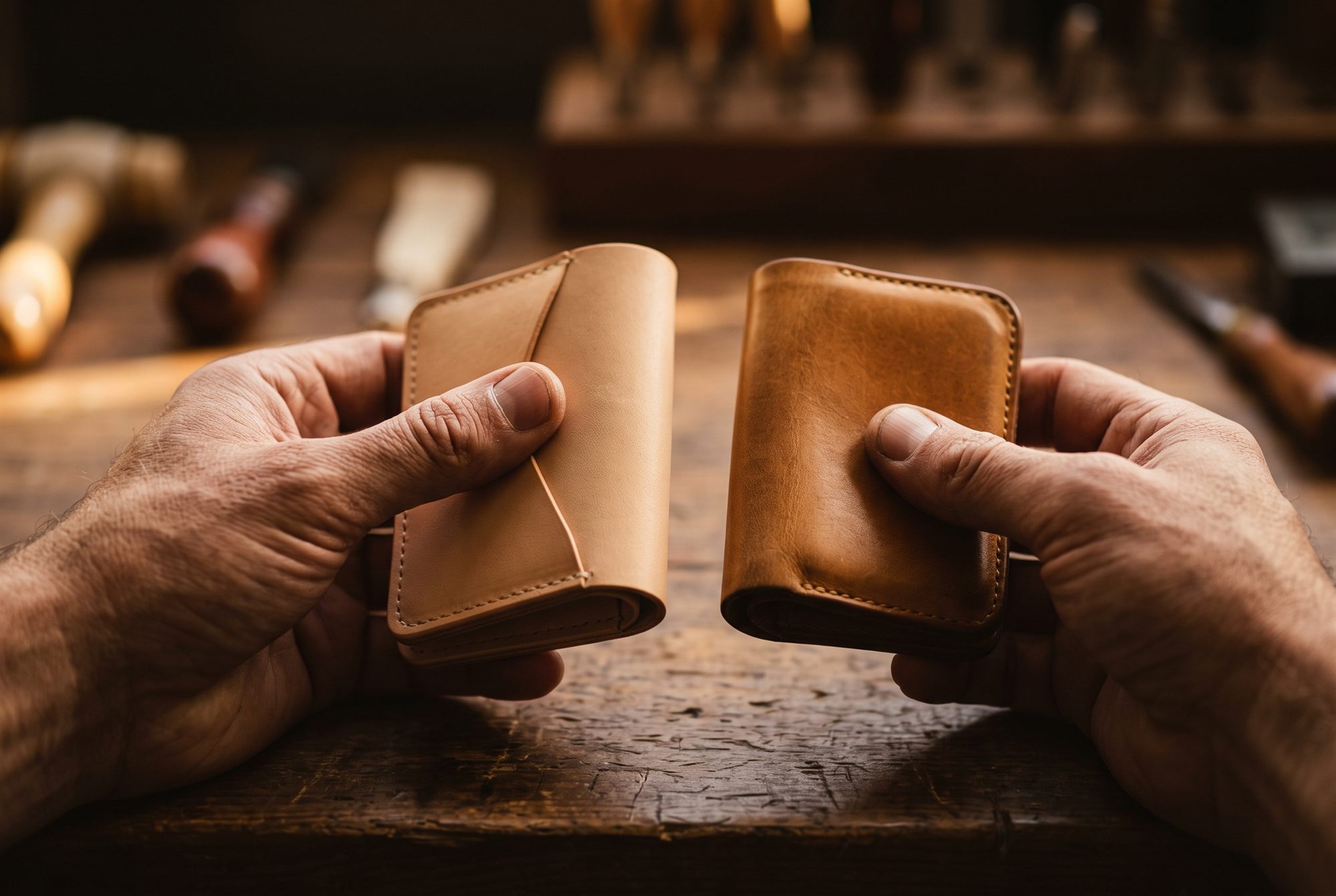
The most common message we get in the first week after delivery: “It’s beautiful, but it’s so stiff — is that normal?” Yes. Completely. And the second most common message, a month later, is a photo of the same piece softened into the shape of its owner’s life. Here is what happens in between, and how to help it along without doing the one thing everyone is tempted to do.
Why new full-grain leather is firm
Vegetable-tanned, full-grain hide leaves the tannery dense and tight: the fibres are packed, the oils haven’t started migrating, nothing has flexed yet. Factory leather is soft on day one because it was split thin, chrome-tanned and often milled in a giant drum for hours — pre-softened, pre-aged, its future spent before you met it. Honest leather arrives with its future intact. Stiffness is that future, folded.
Stiff isn’t a defect. It’s potential that hasn’t met your hands yet.
The break-in timeline
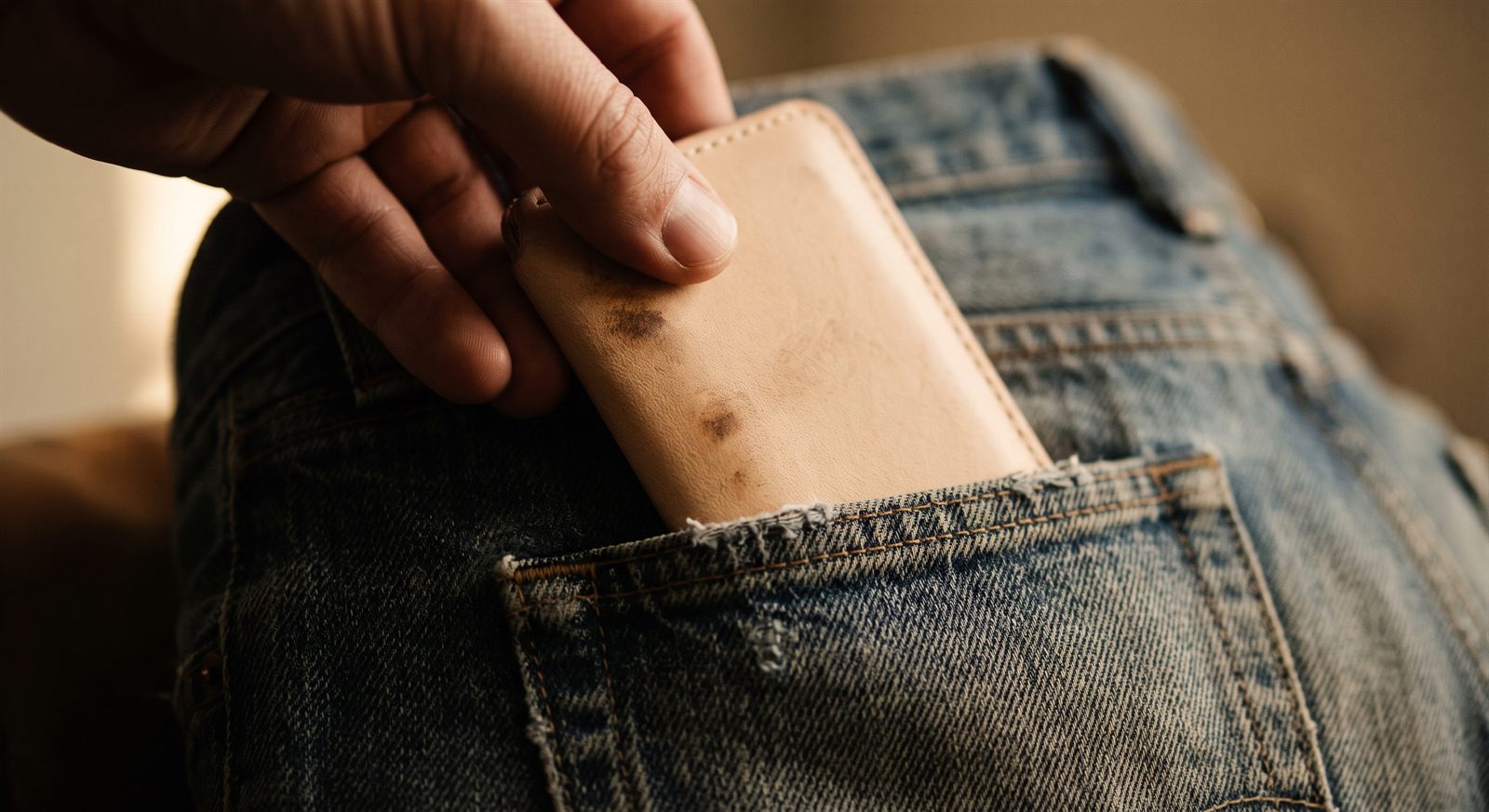
Notice what the chart doesn’t include: a shortcut. Everything that speeds this up materially also damages the material. What the chart does reward is contact — hands, body heat, the daily open-and-close. A wallet in a back pocket breaks in faster than one in a drawer for the same reason bread rises in a warm kitchen.
What actually helps (gently)
Why the shortcuts are so tempting — and so expensive
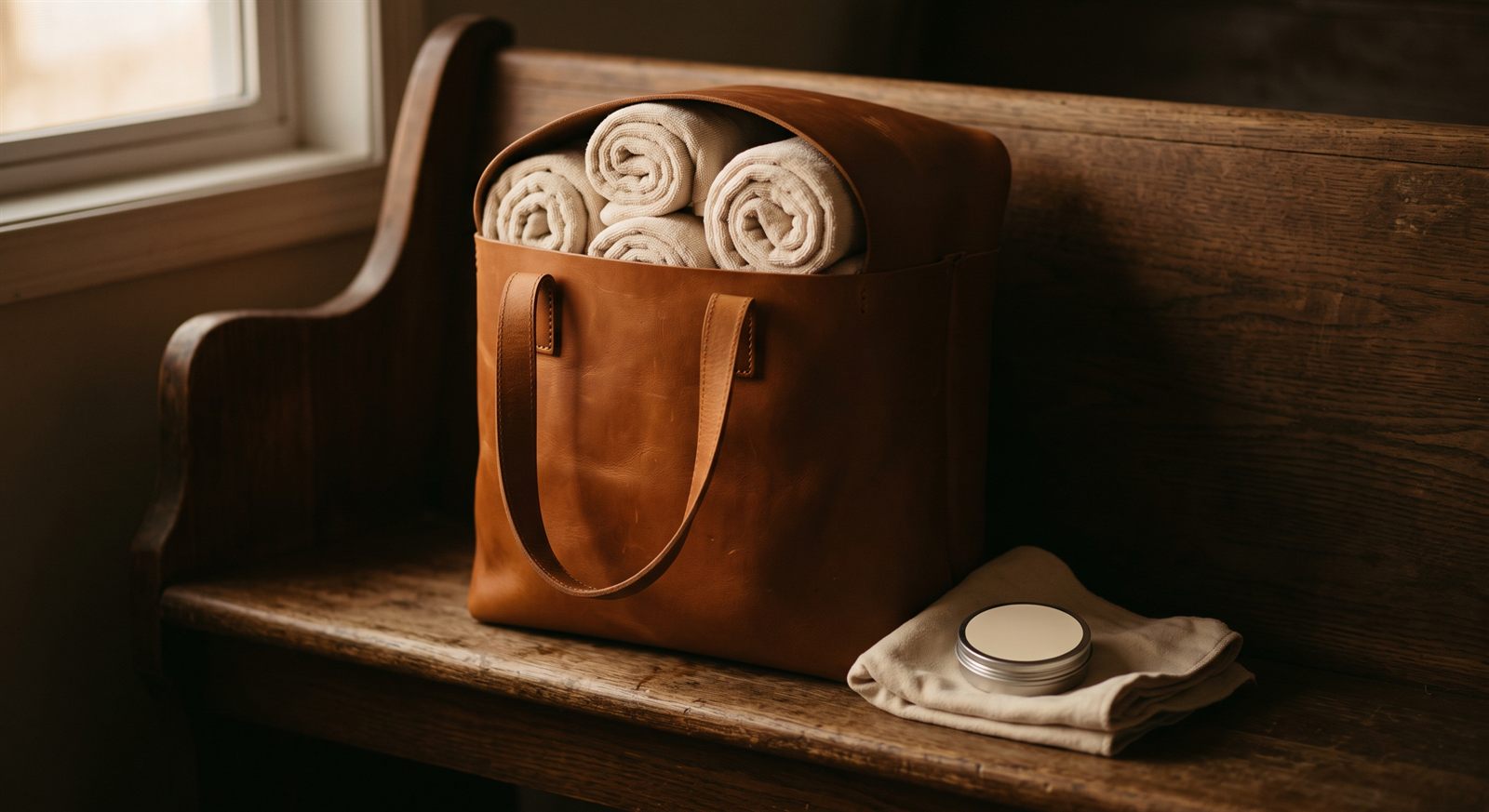
Heat softens leather instantly by cooking the collagen; what feels like softness is the fibres letting go of each other, and they don’t come back — that’s the beginning of cracking, not the end of stiffness. Soaking it in water and wearing it wet (an old boot-camp trick) works on thick chrome boots and ruins a veg-tan bag with tide lines and stiffening on the way back down. Kitchen oils soften beautifully for a month, then go rancid inside the hide. And “leather softener” sprays are usually silicone: they feel like a miracle and quietly seal the pores so the leather can never be conditioned again. Every one of these trades a few weeks of patience for years of life.
Material matters: three temperaments
Crazy Horse, with its hot-wax finish, is the fast breaker — supple within days, dramatic within a week. Pueblo starts matte and firm and asks for a month, then rewards you with a surface that polishes itself under your hands. Plain natural veg-tan is the slowest of all and the most transformed: what arrives pale and board-stiff ends the year honey-coloured and soft as a glove. If you want a piece that’s comfortable on day one, choose the wax; if you want the longest, most visible story, choose the wait.
Already-old and stiff is a different problem
A vintage bag that has gone hard in a wardrobe isn’t breaking in — it’s dehydrated. That’s a restoration question: thin meals of balm over three days, never one heavy coat, and patience measured in days rather than weeks. The gentle-flex method above still applies; the “just use it” method does not, because dry fibres can crack under load before they’ve had a drink.
Break-in is the first chapter of patina. Skip it, and you skip the part where the object becomes yours.
Unsure whether your piece is stiff-new or stiff-dry? Photograph it in daylight and write to info@pazleather.com — we’ll tell you which one you’re holding, and what it needs.