
Guide · 2 August 2026 · by Pınar · updated 13 November 2026
How to care for handmade leather: the complete guide
Conditioning, rain, storage, scratches — everything we tell our customers about keeping full-grain leather alive for decades.
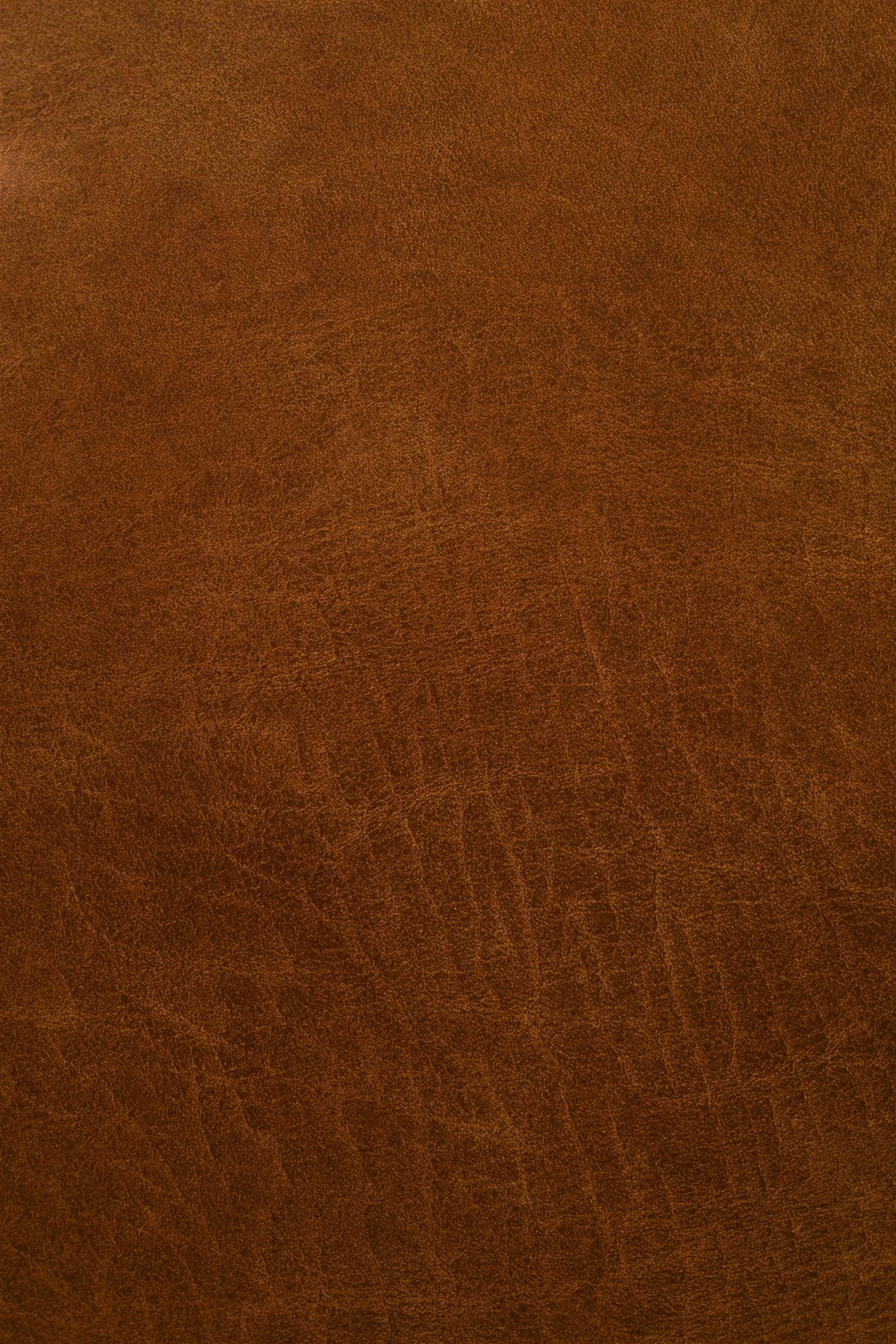
The short answer: brush or wipe leather clean first, condition it twice a year with a pea-sized amount of balm, let it dry slowly at room temperature if it gets wet, and store it in a cotton bag with air around it. Nearly all the damage we see at the bench comes from doing too much, not too little.
Full-grain leather asks for very little — that is half the reason we build with it. But the little it asks for, it deserves. This is the exact advice we give every customer who walks out of the atelier with a Paz piece.
Condition twice a year, no more
Leather is skin: tanning preserved its fibres, but they still want a trace of fat to stay supple. Twice a year, work a pea-sized amount of beeswax or lanolin balm into the surface with your fingers, in slow circles, and buff with a soft cloth. Over-conditioning is the more common mistake — a saturated hide goes limp and attracts dust.
Rain is not the enemy. Heat is.
Caught in the rain? Blot the water off — never rub — and let the piece dry slowly at room temperature, stuffed with paper so it holds its shape. What actually kills leather is the radiator, the hair dryer, the sunny windowsill: heat cooks the fibres stiff, and stiffness becomes cracking.
Store it breathing
- Use the cotton dust bag your piece came in — never a plastic bag, which traps moisture and invites mould.
- Keep it somewhere with airflow, away from direct sun.
- Rotate: like you, leather needs rest days between carries.
- Don’t overstuff pockets and bags. Leather remembers a stretch forever.
Scratches, and why you shouldn’t panic
Most light scratches on full-grain leather disappear when rubbed gently with a warm finger — the oils in the hide flow back over the mark. Deeper scratches become patina: the record of every day you carried the piece. We consider that the whole point.
Patina isn’t damage. It’s autobiography.
Clean before you condition
This is the step people skip, and it matters more than the balm. Conditioner worked into a dusty surface seals the dust in, and the grit then wears the grain from the inside every time the leather flexes.
So start dry: a soft brush or a dry cotton cloth over the whole piece, seams and folds included. If it is actually dirty, use a cloth that is barely damp and wipe the whole panel, edge to edge, so it dries evenly and leaves no tide line. Soap is only for real build-up. The full method is in how to clean leather.
A care calendar you can actually keep
- Every week or two: a dry cloth or soft brush. Thirty seconds.
- When it looks dirty: the barely damp cloth, whole panel, then leave it to dry on its own.
- Twice a year: clean, let it dry, then the pea-sized amount of balm. Spring and autumn are easy to remember.
- When the season changes: empty it, stuff it lightly so it keeps its shape, and put it away in cotton. Storing a bag properly takes ten minutes.
- In winter: watch the dry air more than the rain. Central heating does more harm than a wet pavement.
What never to put on leather
Olive oil, coconut oil, Vaseline and baby wipes all come up in home-remedy lists, and all of them look fine for a week. Kitchen oils go rancid inside the hide and darken it in blotches; petroleum jelly never dries and holds dirt; baby wipes carry cleansers that strip the finish. We keep a full blacklist with the reasons.
And if a piece already feels limp, tacky or darker than it should, stop adding product. Those are the signs of over-conditioned leather, and most of them reverse with time and a dry cloth.
Not every leather wants the same care
- Waxed pull-up leather (Crazy Horse): scuffs are part of the surface. A warm thumb takes most of them back. It needs wax management more than oil: see crazy horse care.
- Pueblo: matte and dry on purpose. It absorbs everything, so do not condition it in its first year.
- Suede and nubuck: a brush only. Anything that feeds smooth leather flattens and stains the nap.
- Coated or pigmented leather: a damp cloth is all it needs. Conditioner cannot get through the coating; it just sits on top.
Quick answers
How often should I condition leather? Twice a year for something used daily. Once a year is enough for a piece that mostly sits at home.
Can I use shoe polish on a bag or wallet? No. Polish is pigment and hard wax made for shoes; it rubs off on clothes and hides the grain.
My leather got soaked. Is it ruined? Almost never. Blot it, stuff it with paper, and let it dry slowly away from heat. Condition lightly once it is fully dry.
Does new leather need conditioning straight away? No. A new piece left the tannery and the bench with all the fat it needs. Start at the six-month mark.
When to ask a maker
Ink, oil stains, mould, a torn stitch — some things want a professional hand. Send us a photo at info@pazleather.com before trying a home remedy. Leather advice is free, always — even for pieces we didn’t make.
Further reading
- How to care for crazy horse leather: manage the wax, go easy on the oil
- How to clean leather: the step everyone skips before conditioning
- Over-conditioned leather: limp, sticky, dark — and what comes back
- Leather in winter: the damage happens when it is dry, not when it is wet
- Suede and nubuck care: why everything that feeds smooth leather ruins nap
- How to store a leather bag: dust bags, mould and the wardrobe changeover
- Olive oil, Vaseline, baby wipes: what not to put on leather
- How to fix scratches on leather: a maker’s guide by depth and finish
- Full-grain, top-grain, “genuine”: what leather labels really mean
- Patina: the story your leather writes about you
- The leather glossary — 18 terms explained